
Trained Nurse for Home Kolkata for Faster Safe Post Hospital Recovery

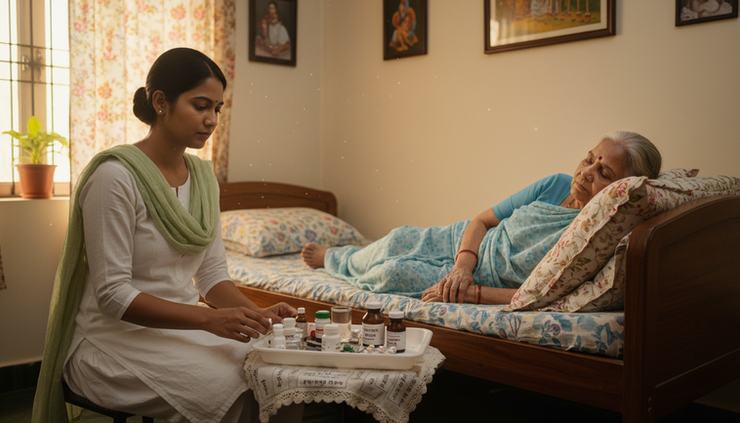
The real test of recovery often begins after discharge. A patient leaves the hospital with a file of instructions, new medicines, dressings, follow-up dates, and a body that is still weak. At home, one missed dose, one poorly cleaned wound, or one unsafe walk to the bathroom can set recovery back.
That is why home nursing matters so much after hospitalisation. A trained nurse brings clinical discipline into a familiar space. The patient rests in their own bed, eats familiar food, and stays close to family, while still receiving structured care.
For families in Kolkata, this support can be especially valuable after surgery, stroke, infection, cardiac illness, orthopaedic procedures, or long hospital stays. The goal is simple: help the patient recover faster, more safely, and with fewer avoidable complications.
This article is for general information only. Medical decisions should always be made with the treating doctor’s advice.
Why home recovery needs more than family care
Family members provide comfort, attention, and emotional support. But post-hospital recovery often needs clinical observation as well. Hospital discharge does not always mean the patient is fully well. It usually means the patient is stable enough to continue healing outside the hospital.
A trained nurse knows how to notice small changes early. This may include:
A wound becoming red, swollen, warm, or painful
Breathing becoming more laboured than usual
Blood pressure or pulse readings moving outside the advised range
Fever returning after discharge
Confusion, drowsiness, or sudden weakness
Reduced urine output or poor fluid intake
Pain increasing despite prescribed medicines
These signs can be easy to miss in a busy household. A family may assume the patient is “just tired” or “still recovering”. A nurse looks at the same situation through a clinical lens.
A Trained Nurse for Home Kolkata can also help bridge the gap between the hospital team and the family. The nurse follows the discharge summary, tracks medicines, supports basic procedures, and guides the family on what needs urgent attention.
What a trained nurse does after hospital discharge
Good home nursing is not only about giving injections or changing dressings. It is a complete recovery support system built around the doctor’s plan.
Medicine management
Post-hospital prescriptions can be confusing. Medicines may need to be taken before food, after food, at fixed intervals, or for a limited number of days. Some patients also continue long-term medicines for diabetes, blood pressure, thyroid disease, or heart conditions.
A trained nurse helps reduce errors by:
Organising medicines by timing
Checking dosage instructions
Tracking missed or refused doses
Watching for visible side effects
Reminding the family when a refill is needed
This is especially helpful when the patient is elderly, weak, forgetful, or taking multiple medicines.
Wound and dressing care
Improper wound care can delay healing and increase the risk of infection. After surgery, injury, diabetic foot care, or drain removal, the wound area needs clean handling.
A trained nurse can change dressings as advised, maintain hygiene, and report changes such as discharge, bleeding, bad smell, or unusual pain. This does not replace the surgeon’s review, but it keeps the wound under careful watch between visits.
Mobility and fall prevention
Many patients feel unsteady after hospitalisation. They may have muscle weakness, low confidence, dizziness, or pain while moving. Falls at home are common during recovery, particularly after orthopaedic surgery, stroke, or long bed rest.
A nurse supports safe movement from bed to chair, walking to the washroom, position changes, and basic exercises prescribed by a physiotherapist or doctor. The nurse also helps the family make small safety changes, such as keeping the floor dry, clearing loose wires, and placing commonly used items within reach.
Why Kolkata families often need home nursing support
Kolkata families are often deeply involved in caregiving. Adult children, spouses, neighbours, and relatives may all step in. This support is valuable, but modern recovery can be demanding.
Many households have working family members. Some homes have elderly couples living alone for part of the day. Apartment layouts may make movement difficult. Traffic can make frequent clinic visits tiring. During monsoon months, infection risk and mobility problems can also increase for vulnerable patients.
Home nursing reduces the pressure on the household. It gives the family confidence that someone trained is watching the patient closely, not simply sitting beside them.
This is also where Elderly Care in Kolkata overlaps with post-hospital nursing. Older adults may recover slowly because of frailty, diabetes, dementia, arthritis, poor appetite, or reduced mobility. They may not always explain pain clearly. A trained nurse can observe behaviour, sleep, food intake, skin condition, bowel habits, and comfort levels in a steady way.
For many families, the biggest benefit is peace of mind. They can rest, work, and manage other responsibilities while knowing that the patient’s routine is being followed properly.
When home nursing becomes especially important
Not every patient needs a nurse after discharge. Some people recover well with simple family support. But trained nursing becomes strongly useful when the care routine is complex, risky, or physically demanding.
Home nursing is often helpful after:
Major surgery, including abdominal, cardiac, orthopaedic, or cancer-related procedures
Stroke or neurological illness
Long ICU or hospital stay
Hip, knee, or spine surgery
Severe infection or pneumonia
Bedridden recovery
Tube feeding or catheter care, where advised
Pressure sore prevention and care
Palliative support under medical guidance
A trained nurse is also useful when the patient needs regular monitoring. Blood pressure, temperature, pulse, oxygen saturation, blood sugar, fluid intake, and output may need to be tracked depending on the condition.
Recovery at home is safest when observation, hygiene, medicines, food, sleep, and movement all work together.
The nurse’s role is not to replace the doctor. The role is to carry out the care plan, catch warning signs, and help the patient regain strength with fewer interruptions.
How to choose the right trained nurse at home
Choosing a home nurse should be done with the same seriousness as choosing any healthcare support. Skill, reliability, and communication matter.
Start with the patient’s need. A person recovering from knee surgery may need mobility help and wound care. A stroke patient may need feeding support, turning, hygiene care, and close monitoring. A patient with a catheter, feeding tube, or pressure sore needs someone comfortable with those tasks.
Before confirming care, ask clear questions.
What nursing training or experience does the caregiver have?
Has the nurse handled similar post-hospital cases before?
Can the nurse follow a written discharge summary?
What duties are included in the shift?
How are emergencies reported?
Who supervises the nurse?
Is a replacement available if the nurse is absent?
Will daily notes or updates be shared with the family?
A good nurse should be calm, punctual, hygienic, respectful, and observant. Communication is just as important as technical skill. Families need honest updates, not panic. Patients need dignity, not rough handling.
Also clarify what the nurse cannot do. A home nurse should not change medicines without a doctor’s advice, make independent diagnoses, or promise guaranteed recovery. Ethical care stays within medical instructions.
What families can do to make home nursing work better
Even the best nurse needs a well-prepared home environment. Before the patient returns from hospital, the family can set up a recovery space.
Keep the bed accessible from at least one side. Place medicines, water, tissues, hand sanitiser, and the call bell or phone nearby. Use clean bedsheets. Keep the room well ventilated. Make sure the washroom path is safe and well lit.
Share all key documents with the nurse:
Discharge summary
Prescription
Test reports
Follow-up schedule
Diet instructions
Physiotherapy advice
Known allergies
Emergency contact numbers
One family member should be the main point of contact. This avoids confusion when different relatives give different instructions. The nurse should know whom to update and whom to call if the patient’s condition changes.
Food and hydration also deserve attention. Many patients eat poorly after hospitalisation. A nurse can encourage small, suitable meals as advised by the doctor or dietitian. For diabetic, cardiac, kidney, or post-surgical patients, diet instructions should be followed carefully.
Sleep matters too. Homes can become crowded after a patient returns, with visitors coming in throughout the day. Rest periods should be protected. Recovery needs quiet time.
The real value of trained nursing is safer confidence
Post-hospital recovery is not only a medical phase. It is emotional. Patients may feel weak, dependent, anxious, or frustrated. Families may feel responsible but unsure. A trained nurse brings structure to that uncertainty.
With skilled home nursing, medicines are not guessed. Dressings are not handled casually. Movement is not forced. Warning signs are not ignored. The patient receives care with routine, patience, and dignity.
For Kolkata households managing recovery after discharge, the right nurse can make home feel safer without turning it into a hospital room. That balance matters. Healing happens best when clinical care and family comfort work side by side.
Blog Development Credits:
This blog was thoughtfully conceptualized by Soumyajit Sardar, crafted with the help of advanced AI platforms like ChatGPT, Gemini, and Copilot. Final editing and SEO expertise were provided by DivinusCare.


Comments